
What’s the difference between an interpreter & translator?

Interpreter
Works with the spoken word in real time, in settings like medical appointments, court hearings and community meetings
Must convey not just words but tone, emotion and cultural meaning, instantly and under pressure
Has no time to pause, look things up or revise — relies entirely on memory, listening and quick thinking
Translator
Works with written text, converting documents from one language to another
Has time to research, review and refine their work
Focuses on precision and ensuring nothing is lost in the written version
More than you might think. While translators have time to consider the nuances of the written word, interpreters must navigate language, emotion and cultural meaning in real time. Theirs is a tough, skilled and often underestimated role.
As the editors of a newly published book put it:
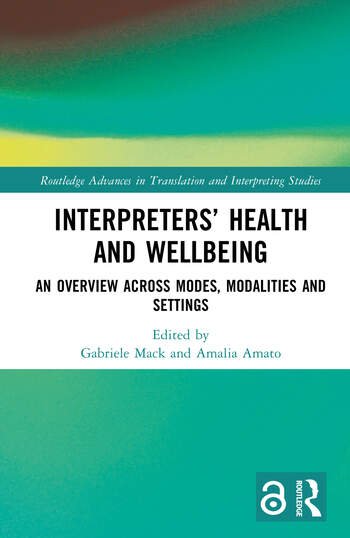
“Interpreting requires broad knowledge, considerable expertise and skills, sound ethical principles, cognitive flexibility and psycho-physical resilience. Like other professionals, interpreters - no matter in what mode, modality and setting they work in - are exposed to occupational hazards, which are often underestimated.”
In 25 years of working in interpreted settings, we have always considered interpreters as core members of the therapeutic team. Many professionals are taught differently. As part of our free, NHS-funded programme, we've been training frontline workers to collaborate more effectively with interpreters.
We heard how GPs are taught to treat interpreters as translators in the back of the room, not to be overly acknowledged. Reframing that understanding has been transformative:
“I will completely re-think how I use telephone interpreters in my clinical consultations after attending this training session. Excellent workshop. I think all GP Trainees should be offered this training!”
Learn more about working with interpreters: